Journal of Korean Tunnelling and Underground Space Association. 31 January 2013. 1-11
https://doi.org/10.9711/KTAJ.2013.15.1.001

ABSTRACT


MAIN

1. 서 론

터널에서 발생하는 화재사고는 심각한 재해로 인식되고 있다. 이는 터널화재로 인하여 수많은 인명피해와 물적 피해가 발생하기 때문이다. 발생가능성의 측면에서는 더욱 심각하다. 도로터널의 경우 차량간 충돌, 추돌 사고가 상존하며, 이와 같은 사고가 언제든지 터널 내 화재사고로 이어질 수 있다. 또한, 화재로 터널 구조물이 심대한 손상을 입었을 때, 이에 대한 보수 및 보강이 쉽지 않다(Park et. al., 2005; Choi et. al., 2010; Choi et. al., 2006).

터널의 복공은 콘크리트 구조로서, 터널 화재 발생시 화재로 인한 손상을 1차적으로 받는 구조요소이다. NATM 터널의 숏크리트 콘크리트, TBM 터널의 세그먼트가 터널의 복공으로 사용되며, 균열저항성능이 우수한 강섬유보강콘크리트를 사용함으로서, 터널화재사고에서도 그 구조적, 내구적 성능을 유지할 수 있도록 많은 관련 연구가 수행되었다(Yoo et. al., 2010; Jang et. al., 2007; Dobashi et. al., 2006)

섬유보강콘크리트에 대한 대부분의 재료적 연구는 강섬유와 폴리프로필렌 섬유를 혼합한 섬유콘크리트(FRC)에 집중되고 있으며, 압축강도, 인장강도 및 탄성계수의 고온노출조건에서의 변화를 고찰하였다(Sukontasukkul et. al., 2010; Khalil, 2006; Lau et. al., 2006). 연구결과를 살펴보면, 노출온도가 증가함에 따라 모든 역학적 성능이 감소하지만, 750℃를 초과하는 고온에서 강섬유의 혼입이 인장강도의 감소에 효과적이라는 결과를 발표하였다. 또한 강섬유의 종류와 혼입량도 미미하지만 영향을 미친다고 판단하였다. 구조적 거동 측면에서도 강섬유 보강콘크리트의 인성이 고온하에서 일반콘크리트에 비하여 우수한 것으로 나타났다.

강섬유 보강 콘크리트의 인장강도에 대한 실험적 연구는 휨인장강도 실험, 할렬인장강도 실험이 주로 수행되고 있다. 그러나 휨강도 실험의 경우 동일한 조건임에도 불구하고 실험결과간의 변동계수가 너무 크다는 문제가 지적되어 왔으며, 이 문제에 대한 해결을 위하여 원형 실험편을 이용한 실험방법과 double punch test(이하 DPT)방법 등(Chao et. al., 2012; Malatesta et. al., 2009; Malatesta et. al., 2012; Molins et. al., 2008) 다양한 연구가 진행되었다. Chao et. al. (2012)은 직접인장강도 시험의 변동계수는 14%에서 28%에 이르며, 휨인장강도시험의 변동계수는 10%에서 23%에 이른다고 보고하고 있으며, DPT 실험의 경우에는 변동계수가 7%에서 12%로 상대적으로 매우 우수한 실험방법이라고 주장하고 있다.

double punch를 이용한 등가 인장강도를 평가하는 실헙방법은 barlocelona test라 불리며, 원형 강재 펀치를 제작, 원형 콘크리트 시편의 상부와 하부에 두고 압축강도와 유사한 축방향 재하를 통해 실험하는 벙법이다. 이후에도 이 실험방법을 정립화하고 규정화하려는 많은 연구가 진행되었으며, 최근에 스페인에서는 강섬유 보강콘크리트의 공인된 실험방법으로 인정받았다. 본 실험방법의 장점으로 부각되는 것은 실험방법이 간편할 뿐 아니라 실험결과들간의 변동계수가 매우 적어 확률론적 신뢰성이 매우 크다는 점이며, 전술한 휨강도 실험의 문제를 해결할 수 있는 방법으로 인정되고 있다.

본 연구에서는 강섬유보강 콘크리트의 고온하에서 강섬유 보강콘크리트의 인장성능의 고찰을 위하여 double punch 실험방법을 적용하였다. 본 실험을 통해 강섬유의 혼입률, 강섬유의 종류와 노출온도 수준에 따른 강도의 변화를 고찰하였다.

2. 실험방법

2.1 DPT 시험 개요

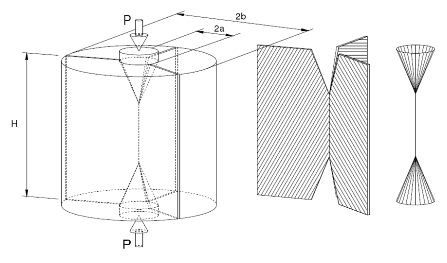
DPT 시험은 콘크리트의 인장강도를 평가하기 위한 시험방법이다. 압축강도 시험에 사용되는 직경 150 mm, 높이 150 mm~300 mm의 원형공시체의 상, 하면에 놓인 일명 펀치라 불리는 두 개의 강재 재하판을 두고 압축하중을 가함으로서, 재하판 하부에 발생하는 웨지(wedge)형태의 원추형 3축 인장응력이 발생하도록 하며, 실험체의 파괴시 최대하중을 파괴면적으로 나누어 평가하는 실험방법이다(Fig. 1 참고). 따라서 시험체의 파괴는 2개 또는 3개의 파괴면과 함께 발생하며, 일반적인 압축사인장파괴와 다른 할렬파괴 양상을 나타낸다(Fig. 2 참고). 본 실험의 장점은 큰 파괴면적에 기인한다. ASTM에서 규정하고 있는 휨인장실험의 경우에는 파괴면은 2.25×106 mm2인데 반해 본 실험방법의 경우 실험체의 높이 150 mm에 3개의 파괴면이 발생한다고 가정하였을 때, 33.75×106 mm2로 약 15배에 해당하는 파괴면적이 발생한다.

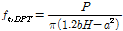
본 논문에서 DPT 시험에 의한 SFRC의 DPT 등가인장강도(http://static.apub.kr/journalsite/sites/kta/2013-015-01/055015011111/images/PIC90B.gif)는 최대하중을 파괴면적으로 나눈 평균강도의 개념으로 Molins et. al. (2008)에 의하여 제시되었으며, 다음 식 (1)로부터 계산된다. 식 (1)에서 P는 최대하중(N)을 b와 H는 시험체의 반경과 높이(mm), a는 재하판의 반경(mm)을 의미한다(Fig. 1 참조).

http://static.apub.kr/journalsite/sites/kta/2013-015-01/055015011111/images/PIC989.gif

Fig. 1. Loading through double punch (Molins et. al., 2008)

http://static.apub.kr/journalsite/sites/kta/2013-015-01/055015011111/images/PIC9E8.gif

Fig. 2. Failure surfaces by Double Punch Test (Malatesta et. al., 2012)

http://static.apub.kr/journalsite/sites/kta/2013-015-01/055015011111/images/PICA37.gif

(1)

2.2 시험체 제작 및 실험방법

본 시험에서는 직경(b) 150 mm, 높이(H) 150 mm의 공시체를 사용하였다. 또한, 원형 재하판(punch)은 직경 (a) 38 mm, 높이 25 mm로 제작하여 사용하였다. 하중재하속도는 0.3 mm/min로 하였으며, 하중과 수직변위를 계측하였다. 시험체의 크기 및 punch의 크기는 Malatesta et. al. (2012)의 최적화 연구에 근거하였다. Malatesta et. al. (2012)은 재하판의 직경, 시험체의 직경 및 높이가 결과에 미치는 영향을 분석하였으며, 본 실험체와 펀치의 크기 및 크기 비가 가장 적합하다고 제시하였다.

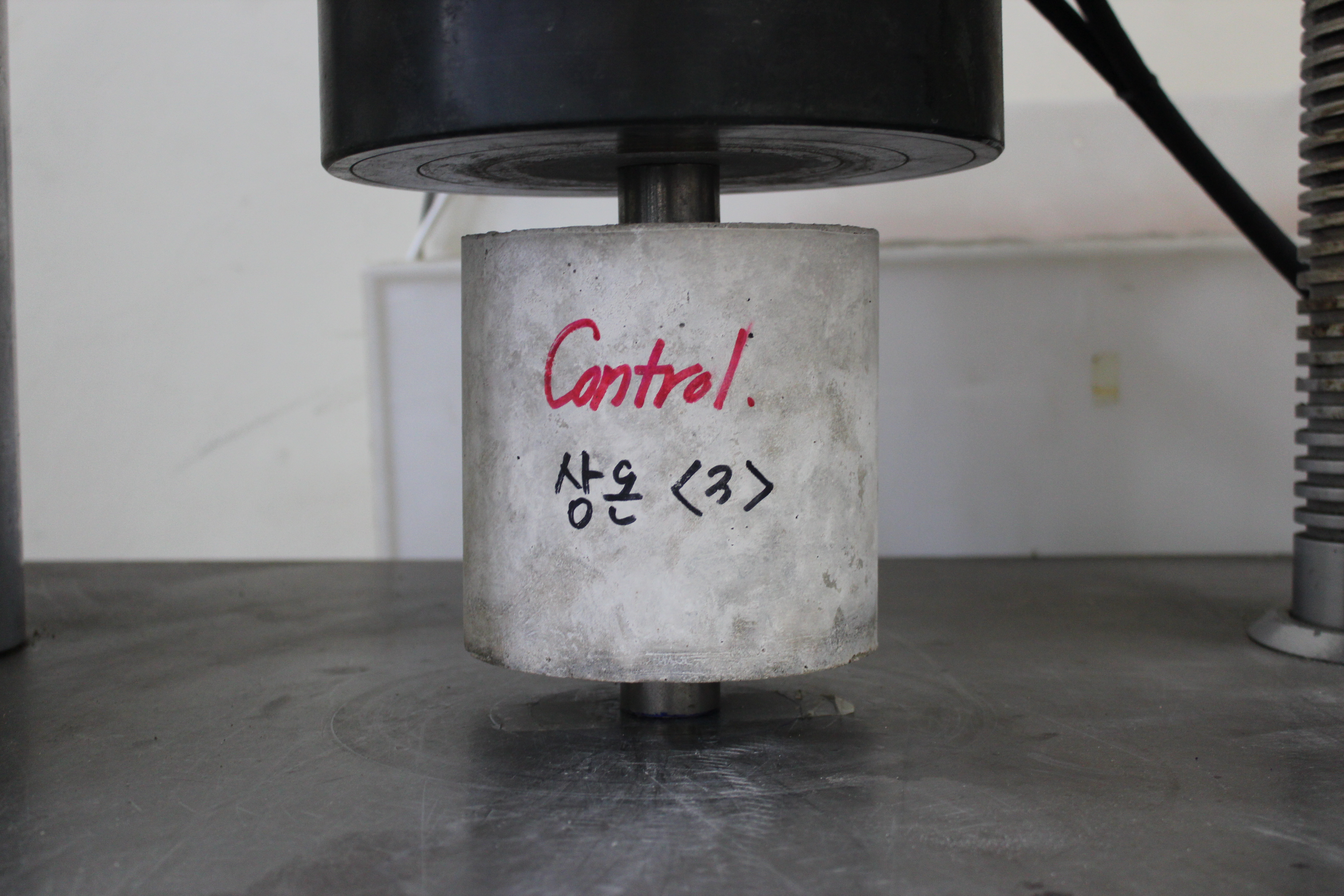
무강섬유 콘크리트의 설계압축강도는 24 MPa로 하였으며, 배합은 Table 1과 같다. 콘크리트 28압축강도는 측정결과 31.1 MPa로 나타났다. DPT 실험은 2,000 KN 용량의 UTM을 사용하여 수행되었으며, Fig. 3과 같다. 본 실험에서는 고온에서 강섬유의 영향(강섬유 종류, 혼입률 등)을 집중적으로 고찰하기 위하여 고른 강섬유의 분포가 필요하였다. 이를 위하여 믹서를 이용한 비빔시 강섬유를 미리 물에 담가 섬유간 접착제를 완전히 제거한 상태에서 미리 준비된 강섬유를 혼입하였다.

2.3 실험변수

Table 1. Mix proportion of concrete

Design Strength

W/B

S/a

Unit weight of volume (kg/m3)

Water 

Cement

Sand

Aggregate

Steel Fiber

24 MPa

46.7

40.1

189.4

406.1

652.8

1,005.5

0%

0.25%

20 

0.5%

40 

1.0%

80 

http://static.apub.kr/journalsite/sites/kta/2013-015-01/055015011111/images/PICCE8.JPG

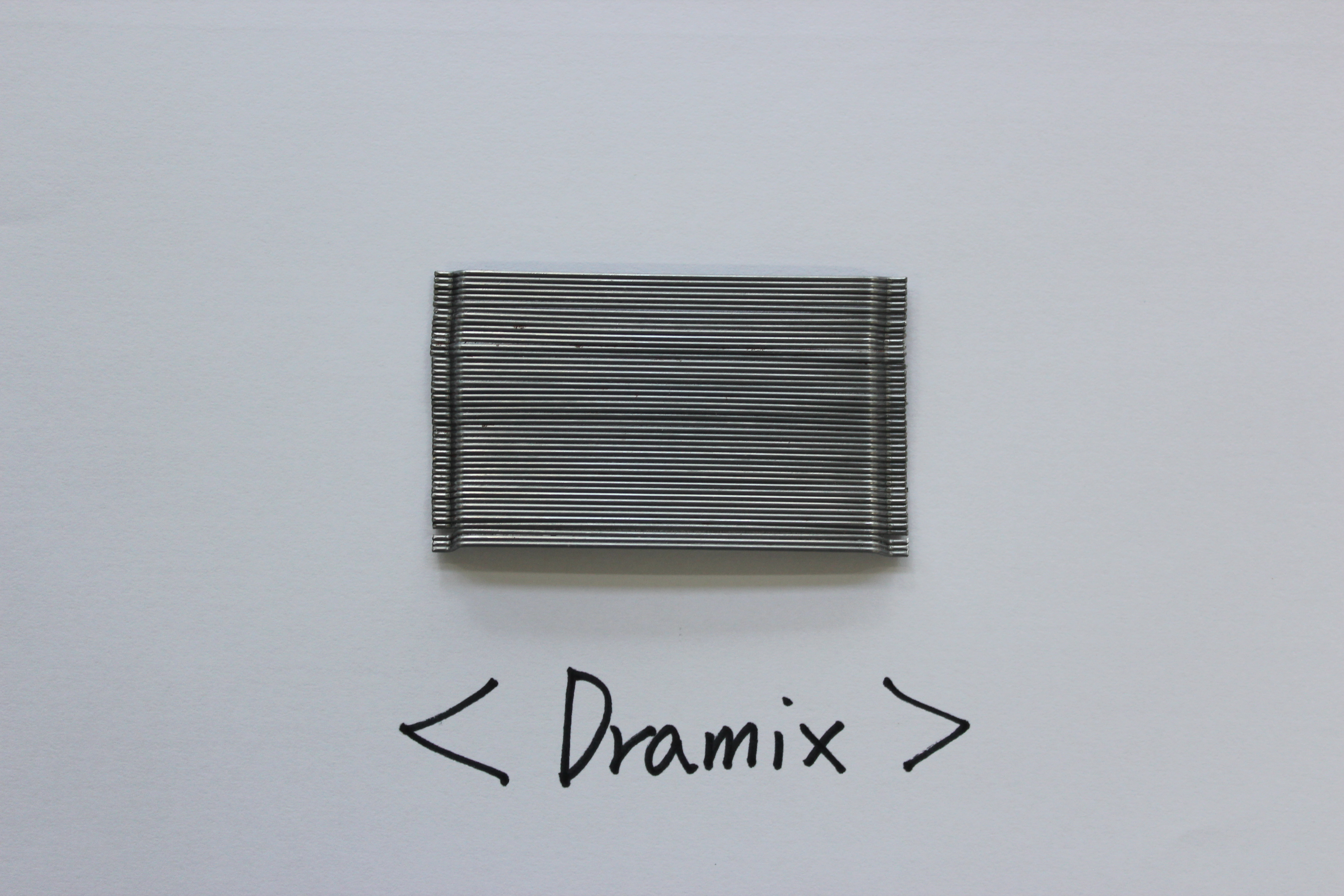
(a) Hooked fiber

http://static.apub.kr/journalsite/sites/kta/2013-015-01/055015011111/images/PIC13BF.JPG

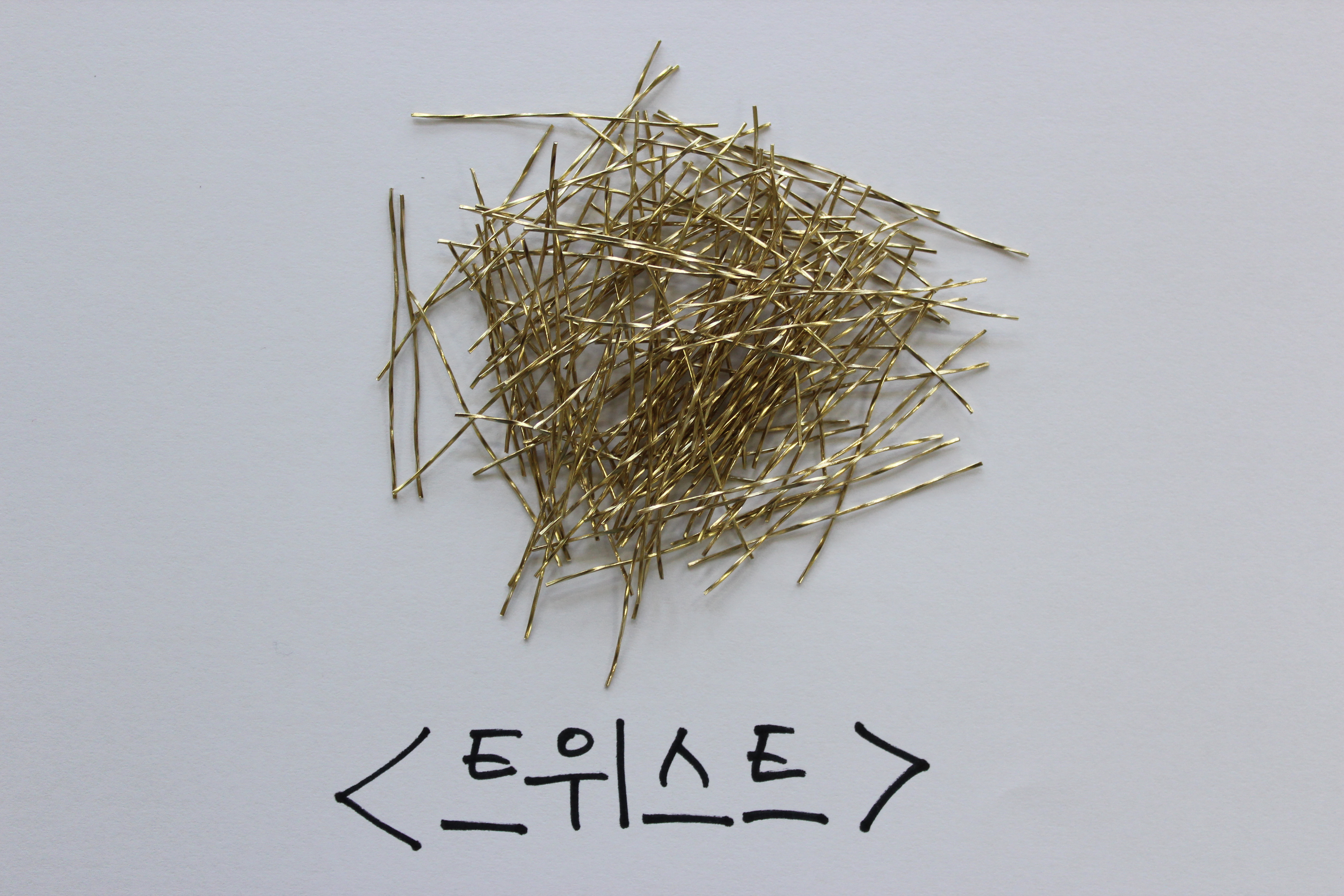
(b) Twisted fiber

Fig. 4. The used type of steel fibers

http://static.apub.kr/journalsite/sites/kta/2013-015-01/055015011111/images/PIC1A38.JPG

Fig. 3. Test scene of DPT

본 연구의 주된 변수는 강섬유의 종류이다. Fig. 4와 같이 일반적으로 사용되는 후크강섬유와 트위스트 강섬유이다. 강섬유의 길이/직경비(http://static.apub.kr/journalsite/sites/kta/2013-015-01/055015011111/images/PIC1A58.gif)는 80으로 동일하다. 후크강섬유의 길이는60 mm이며, 직경은 0.75 mm이다. 또한 트위스트 강섬유의 길이는 40 mm이며, 직경은 0.5 mm이다. 후크강섬유의 인장강도는 제작사로부터 입수하였으며, 1,050 MPa이다. 한편 트위스트 강섬유의 인장강도는 Kim (2010)에 의한 실험에 의하면 2,450 MPa이다. 두 번째 변수는 강섬유의 체적에 대한 혼입비로서, 0.25%에서 1%까지로 하였다. 이 혼입비는 일반적인 강섬유 콘크리트에 사용되는 최저 및 최대 혼입비에 해당한다. 세 번째 변수는 노출온도로서, 상온, 300℃, 500℃ 및 700℃로 하였다. 본 실험을 위한 실험변수는 Table 2와 같다. 온도수준은 터널내 화재를 모사하기에는 다소 낮지만 전기로의 용량과 실험상의 안전을 기하기 위하여 최고온도를 700℃로 한정하였다.

2.4 고온노출

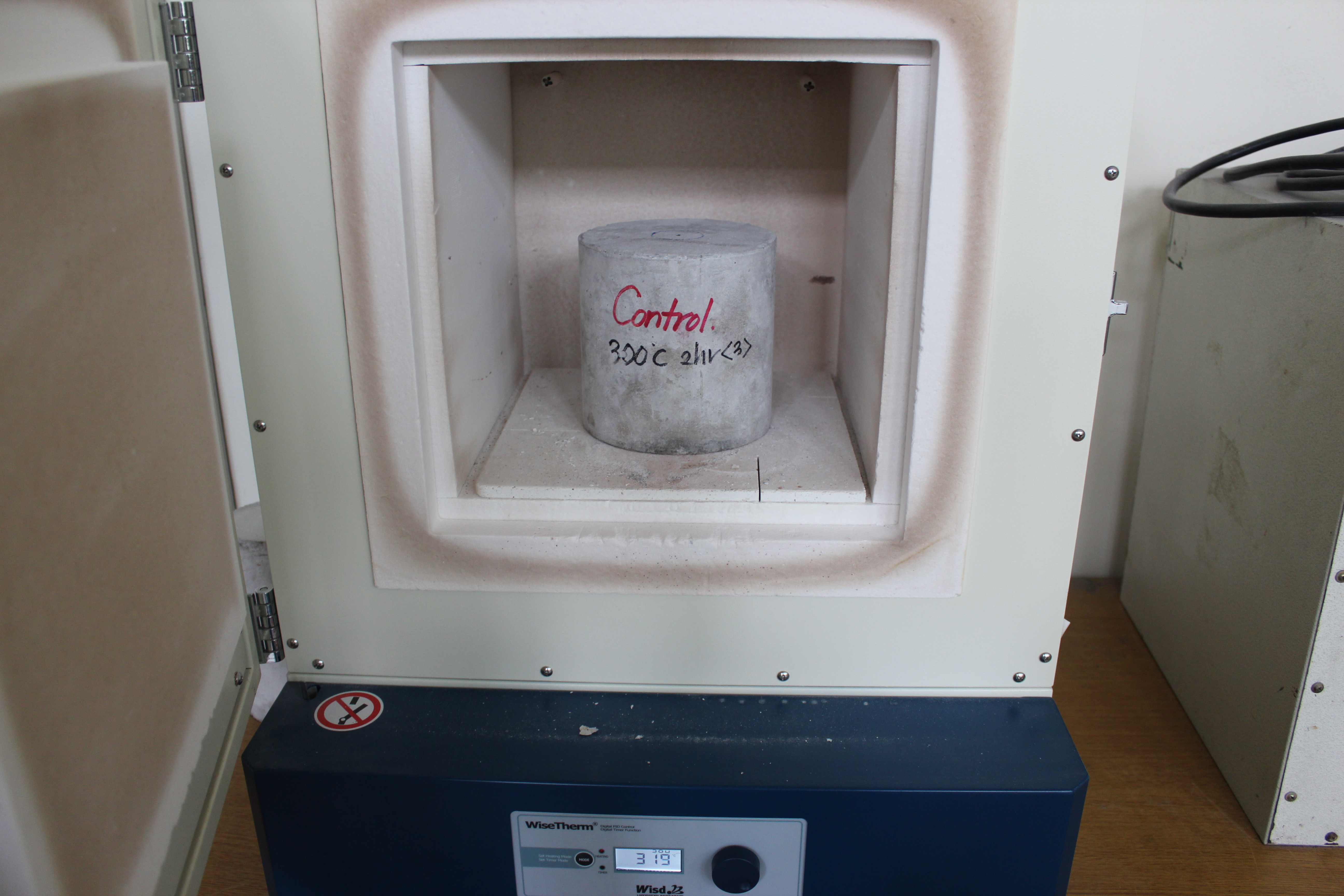
배합에 따라 타설된 콘크리트 실험체는 28일간의 양생 후에 변수에 따라 고온에 노출되었다. 고온전기로를 이용하였으며, 약 1시간 30분의 사전운전을 통하여 전기로의 온도를 300℃, 500℃ 및 700℃의 정온에 도달하게 한 뒤 시험체를 2시간동안 노출하였다(Fig. 5 참조). 2시간 후 시험체는 전기로에서 꺼내진 후 상온에서 약 12시간 동안 냉각되었다.

3. 실험결과 및 고찰

DPT 실험결과는 Table 3에 정리하여 나타내었다. Table 3에는 전술한바와 같이 식 (1)에 의한 DPT 인장강도, 파괴면의 수 및 형상을 비교 평가하였다. 모든 결과는 실험체 3개의 평균결과를 나타내고 있다.

Table 2. Test variables

Fiber type and Mix ratio (% Vol.)

Exposure Temp. (℃)

No. of specimen

Name of specimen

Fiber type and Mix ratio (% Vol.)

Exposure Temp. (℃)

No. of specimen

Name of specimen

Hooked Fiber

0%

Room Temp.

3

C-0-15

Twisted Fiber

0%

Room Temp.

3

C-0-15

300

3

C-0-300

300

3

C-0-300

500

3

C-0-500

500

3

C-0-500

700

3

C-0-700

700

3

C-0-700

0.25%

Room Temp.

3

H-0.25-15

0.25%

Room Temp.

3

T-0.25-15

300

3

H-0.25-300

300

3

T-0.25-300

500

3

H-0.25-500

500

3

T-0.25-500

700

3

H-0.25-700

700

3

T-0.25-700

0.5%

Room Temp.

3

H-0.5-15

0.5%

Room Temp.

3

T-0.5-15

300

3

H-0.5-300

300

3

T-0.5-300

500

3

H-0.5-500

500

3

T-0.5-500

700

3

H-0.5-700

700

3

T-0.5-700

1.0%

Room Temp.

3

H-1.0-15

1.0%

Room Temp.

3

T-1.0-15

300

3

H-1.0-300

300

3

T-1.0-300

500

3

H-1.0-500

500

3

T-1.0-500

700

3

H-1.0-700

700

3

T-1.0-700

http://static.apub.kr/journalsite/sites/kta/2013-015-01/055015011111/images/PIC1D37.JPG

Fig. 5. Exposure to high temperature

3.1 파괴면 고찰

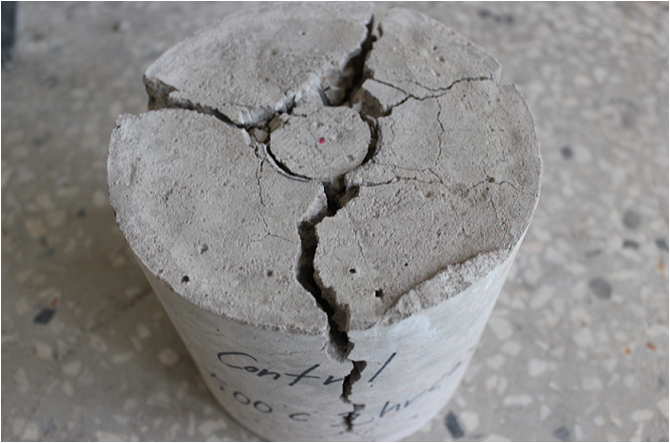
실험체는 파괴는 최대하중에서 수직균열 발생 이후 수직균열의 성장과 함께 파괴되었다. 기준시험체인 C-0-15 시험체의 경우에는 3개의 균열이 120°의 사이각을 갖는 전형적인 균열면을 나타내었으며, Fig. 6(a)와 같이 3개의 파괴면이 발생되며 파괴되었다. 동일한 변수의 시험체 3개 모두 동일한 결과를 나타내었다. 그러나, 노출온도의 증가에 따라 파괴면의 수가 크게 변하는 것을 확인할 수 있다. 노출온도 500℃의 무강섬유 시험체(C-0-500)의 경우에는 동일한 3개의 실험체 임에도 불구하고, 파괴면의 개수가 서로 다를 뿐 아니라 파괴면 형상이 펀치를 중심으로 서로 균형을 이루지 않는 것을 확인할 수 있다(Fig. 6(b) 참조). 이는 고온노출 중 내부 팽창압에 의하여 발생한 미세한 균열이 인장하중에 의하여 성장하면서 상온노출 실험체와 다른 파괴양상을 갖기 때문이다. 이와 같은 경향은 강섬유가 보강된 모든 실험체의 결과에서도 확인할 수 있다. 특히, 강섬유가 보강된 경우에는 고온 노출 중에 발생하는 균열이 강섬유의 배근상태에 따라 불규칙하게 됨으로서 파괴면의 형성이 더욱 불규칙한 것을 확인할 수 있다.

3.2 노출온도의 영향

http://static.apub.kr/journalsite/sites/kta/2013-015-01/055015011111/images/PIC1D58.jpg

http://static.apub.kr/journalsite/sites/kta/2013-015-01/055015011111/images/PIC1D78.png

(a) Room temp./0% (C-0-15)

(b) 500°C/0% (C-0-500)

Fig. 6. Failure surfaces of tested specimens

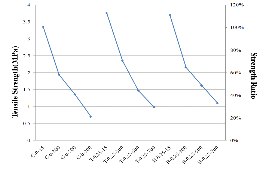
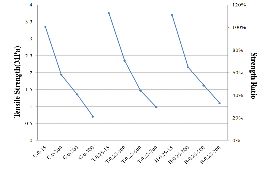
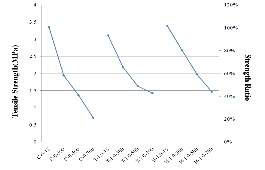
노출온도에 따른 영향은 Fig. 7을 통해 확인할 수 있다. Fig. 7에는 강섬유 0.25%, 0.5% 및 1% 혼입률의 후크강섬유와 트위스트 강섬유 시험체의 노출온도에 따른 인장강도와 강도비를 나타내고 있다. 강도비는 무강섬유 시험체의 상온에서의 인장강도로 각 실험체의 강도를 나눈 비를 의미한다.

그림과 같이 온도가 증가함에 따라 모든 실험체에서 급격한 강도의 감소를 확인할 수 있다. 그러나, 각 노출온도에서 강섬유가 보강되지 않은 시험체의 강도 감소가 더 큰 것을 확인할 수 있다. 따라서 강섬유의 보강으로 인한 내화성능의 증진을 확인할 수 있다.

실험결과의 변동계수는 상온노출의 경우에는 5%를 넘지 않는 것으로 나타났으나, 노출온도의 증가에 따라 변동계수가 크게 증가하는 것을 확인할 수 있으며, 700℃ 노출의 경우 변동계수가 40%를 초과하는 것으로 나타나, 고온에 의한 콘크리트와 강섬유의 재료열화가 영향을 미친 것으로 판단된다.

3.3 강섬유 혼입률의 영향

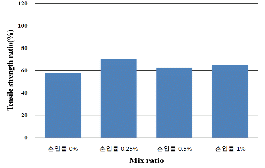
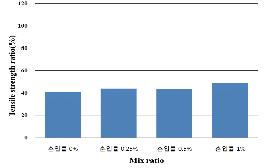
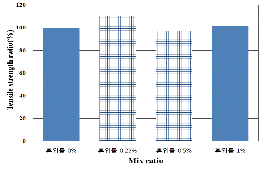
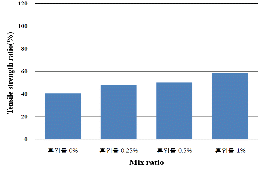
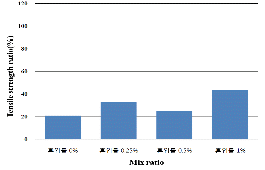
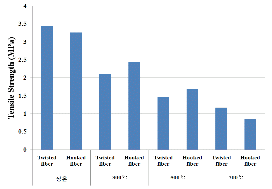
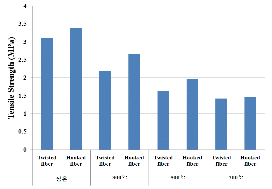
Fig. 8과 Fig. 9에는 강섬유 혼입률에 따른 인장강도 변화를 나타내고 있다. 고온노출에서 혼입률이 증가함에 따라 인장강도가 증가되는 것을 전반적으로 확인할 수 있다. 대부분의 경우에 무강섬유에 비하여 혼입률이 1%인 경우 약 20% 이상의 인장강도 증가를 확인할 수 있다. 그러나 상온노출(Fig. 8(a), Fig. 9(a) 참고)의 경우 인장강도는 강섬유의 보강에도 불구하고, 인장강도가 크게 증가되지 않은 것을 확인할 수 있다. 오히려 섬유의 형상과 상관없이 강섬유량의 증가할수록 인장강도는 감소하는 경향을 보인다. 트위스트 강섬유의 경우에는 0.25% 혼입시 10%정도 인장강도 증가가 나타났으나 혼입률이 증가할수록 인장강도가 감소하여 1%인 경우에는 무강섬유 시험체 보다 인장강도가 감소하는 것으로 나타났다. 후크 강섬유의 경우에도 0.25%의 강섬유 혼입시 인장강도의 증가가 가장

Table 3. Test results

Name

DPT tensile strength

Failure shape and No. of failure surfaces

Name

DPT tensile strength

Failure shape and No. of failure surfaces

Mean (MPa)

C.V (%)

1

2

3

Mean (MPa)

C.V (%)

1

2

3

C-0-15

3.35

3.6

3

http://static.apub.kr/journalsite/sites/kta/2013-015-01/055015011111/images/PIC1D98.gif

3

http://static.apub.kr/journalsite/sites/kta/2013-015-01/055015011111/images/PIC1DB8.gif

3

http://static.apub.kr/journalsite/sites/kta/2013-015-01/055015011111/images/PIC1DE8.gif

C-0-15

3.35

3.6

3

http://static.apub.kr/journalsite/sites/kta/2013-015-01/055015011111/images/PIC1DF9.gif

3

http://static.apub.kr/journalsite/sites/kta/2013-015-01/055015011111/images/PIC1E0A.gif

3

http://static.apub.kr/journalsite/sites/kta/2013-015-01/055015011111/images/PIC1E2A.gif

C-0-300

1.94

2.6

2

http://static.apub.kr/journalsite/sites/kta/2013-015-01/055015011111/images/PIC1E3A.gif

2

http://static.apub.kr/journalsite/sites/kta/2013-015-01/055015011111/images/PIC1E4B.gif

2

http://static.apub.kr/journalsite/sites/kta/2013-015-01/055015011111/images/PIC1E5C.gif

C-0-300

1.94

2.6

2

http://static.apub.kr/journalsite/sites/kta/2013-015-01/055015011111/images/PIC1E6C.gif

2

http://static.apub.kr/journalsite/sites/kta/2013-015-01/055015011111/images/PIC1E8D.gif

2

http://static.apub.kr/journalsite/sites/kta/2013-015-01/055015011111/images/PIC1EAD.gif

C-0-500

1.36

2.2

3

http://static.apub.kr/journalsite/sites/kta/2013-015-01/055015011111/images/PIC1ECD.gif

5

http://static.apub.kr/journalsite/sites/kta/2013-015-01/055015011111/images/PIC1F6A.gif

4

http://static.apub.kr/journalsite/sites/kta/2013-015-01/055015011111/images/PIC1F7B.gif

C-0-500

1.36

2.2

3

http://static.apub.kr/journalsite/sites/kta/2013-015-01/055015011111/images/PIC1F8C.gif

5

http://static.apub.kr/journalsite/sites/kta/2013-015-01/055015011111/images/PIC1FAC.gif

4

http://static.apub.kr/journalsite/sites/kta/2013-015-01/055015011111/images/PIC1FCC.gif

C-0-700

0.70

4.7

1

http://static.apub.kr/journalsite/sites/kta/2013-015-01/055015011111/images/PIC1FDD.gif

3

http://static.apub.kr/journalsite/sites/kta/2013-015-01/055015011111/images/PIC1FED.gif

4

http://static.apub.kr/journalsite/sites/kta/2013-015-01/055015011111/images/PIC1FFE.gif

C-0-700

0.70

4.7

1

http://static.apub.kr/journalsite/sites/kta/2013-015-01/055015011111/images/PIC200F.gif

3

http://static.apub.kr/journalsite/sites/kta/2013-015-01/055015011111/images/PIC201F.gif

4

http://static.apub.kr/journalsite/sites/kta/2013-015-01/055015011111/images/PIC2030.gif

H-0.25-15

3.70

9.3

1

http://static.apub.kr/journalsite/sites/kta/2013-015-01/055015011111/images/PIC2040.gif

1

http://static.apub.kr/journalsite/sites/kta/2013-015-01/055015011111/images/PIC2051.gif

1

http://static.apub.kr/journalsite/sites/kta/2013-015-01/055015011111/images/PIC2062.gif

T-0.25-15

3.76

4.8

1

http://static.apub.kr/journalsite/sites/kta/2013-015-01/055015011111/images/PIC2072.gif

1

http://static.apub.kr/journalsite/sites/kta/2013-015-01/055015011111/images/PIC2083.gif

1

http://static.apub.kr/journalsite/sites/kta/2013-015-01/055015011111/images/PIC2094.gif

H-0.25-300

2.16

10.3

3

http://static.apub.kr/journalsite/sites/kta/2013-015-01/055015011111/images/PIC20A4.gif

3

http://static.apub.kr/journalsite/sites/kta/2013-015-01/055015011111/images/PIC20C4.gif

4

http://static.apub.kr/journalsite/sites/kta/2013-015-01/055015011111/images/PIC20D5.gif

T-0.25-300

2.35

2.7

3

http://static.apub.kr/journalsite/sites/kta/2013-015-01/055015011111/images/PIC20E6.gif

3

http://static.apub.kr/journalsite/sites/kta/2013-015-01/055015011111/images/PIC20F6.gif

2http://static.apub.kr/journalsite/sites/kta/2013-015-01/055015011111/images/PIC2107.gif

H-0.25-500

1.62

14.3

3

http://static.apub.kr/journalsite/sites/kta/2013-015-01/055015011111/images/PIC2118.gif

5http://static.apub.kr/journalsite/sites/kta/2013-015-01/055015011111/images/PIC2128.gif

3

http://static.apub.kr/journalsite/sites/kta/2013-015-01/055015011111/images/PIC2148.gif

T-0.25-500

1.47

13.2

4

http://static.apub.kr/journalsite/sites/kta/2013-015-01/055015011111/images/PIC2169.gif

3

http://static.apub.kr/journalsite/sites/kta/2013-015-01/055015011111/images/PIC2179.gif

2

http://static.apub.kr/journalsite/sites/kta/2013-015-01/055015011111/images/PIC218A.gif

H-0.25-700

1.10

43.8

3

http://static.apub.kr/journalsite/sites/kta/2013-015-01/055015011111/images/PIC219B.gif

3

http://static.apub.kr/journalsite/sites/kta/2013-015-01/055015011111/images/PIC21AB.gif

2

http://static.apub.kr/journalsite/sites/kta/2013-015-01/055015011111/images/PIC21BC.gif

T-0.25-700

0.98

5.3

2

http://static.apub.kr/journalsite/sites/kta/2013-015-01/055015011111/images/PIC21CC.gif

1

http://static.apub.kr/journalsite/sites/kta/2013-015-01/055015011111/images/PIC21DD.gif

3http://static.apub.kr/journalsite/sites/kta/2013-015-01/055015011111/images/PIC21EE.gif

H-0.5-15

3.26

7.3

1

http://static.apub.kr/journalsite/sites/kta/2013-015-01/055015011111/images/PIC220E.gif

1

http://static.apub.kr/journalsite/sites/kta/2013-015-01/055015011111/images/PIC221F.gif

1

http://static.apub.kr/journalsite/sites/kta/2013-015-01/055015011111/images/PIC222F.gif

T-0.5-15

3.43

4.4

1

http://static.apub.kr/journalsite/sites/kta/2013-015-01/055015011111/images/PIC2240.gif

1

http://static.apub.kr/journalsite/sites/kta/2013-015-01/055015011111/images/PIC2241.gif

1

http://static.apub.kr/journalsite/sites/kta/2013-015-01/055015011111/images/PIC2251.gif

H-0.5-300

2.43

11.8

2

http://static.apub.kr/journalsite/sites/kta/2013-015-01/055015011111/images/PIC2262.gif

2

http://static.apub.kr/journalsite/sites/kta/2013-015-01/055015011111/images/PIC2282.gif

2

http://static.apub.kr/journalsite/sites/kta/2013-015-01/055015011111/images/PIC22A3.gif

T-0.5-300

2.10

3.9

3

http://static.apub.kr/journalsite/sites/kta/2013-015-01/055015011111/images/PIC22B3.gif

4

http://static.apub.kr/journalsite/sites/kta/2013-015-01/055015011111/images/PIC22C4.gif

1

http://static.apub.kr/journalsite/sites/kta/2013-015-01/055015011111/images/PIC22D4.gif

H-0.5-500

1.68

13.4

3

http://static.apub.kr/journalsite/sites/kta/2013-015-01/055015011111/images/PIC2314.gif

4

http://static.apub.kr/journalsite/sites/kta/2013-015-01/055015011111/images/PIC2334.gif

2

http://static.apub.kr/journalsite/sites/kta/2013-015-01/055015011111/images/PIC2345.gif

T-0.5-500

1.46

12.5

4

http://static.apub.kr/journalsite/sites/kta/2013-015-01/055015011111/images/PIC2394.gif

3

http://static.apub.kr/journalsite/sites/kta/2013-015-01/055015011111/images/PIC2395.gif

3

http://static.apub.kr/journalsite/sites/kta/2013-015-01/055015011111/images/PIC23B5.gif

H-0.5-700

0.84

24.6

3

http://static.apub.kr/journalsite/sites/kta/2013-015-01/055015011111/images/PIC23C6.gif

1

http://static.apub.kr/journalsite/sites/kta/2013-015-01/055015011111/images/PIC23D6.gif

4

http://static.apub.kr/journalsite/sites/kta/2013-015-01/055015011111/images/PIC23F7.gif

T-0.5-700

1.17

28.3

4

http://static.apub.kr/journalsite/sites/kta/2013-015-01/055015011111/images/PIC2417.gif

2

http://static.apub.kr/journalsite/sites/kta/2013-015-01/055015011111/images/PIC2428.gif

3

http://static.apub.kr/journalsite/sites/kta/2013-015-01/055015011111/images/PIC2438.gif

H-1.0-15

3.38

6.5

3

http://static.apub.kr/journalsite/sites/kta/2013-015-01/055015011111/images/PIC2449.gif

3

http://static.apub.kr/journalsite/sites/kta/2013-015-01/055015011111/images/PIC2469.gif

1

http://static.apub.kr/journalsite/sites/kta/2013-015-01/055015011111/images/PIC247A.gif

T-1.0-15

3.11

3.7

1

http://static.apub.kr/journalsite/sites/kta/2013-015-01/055015011111/images/PIC24AA.gif

2

http://static.apub.kr/journalsite/sites/kta/2013-015-01/055015011111/images/PIC24BA.gif

1

http://static.apub.kr/journalsite/sites/kta/2013-015-01/055015011111/images/PIC24CB.gif

H-1.0-300*

2.67

-

3

http://static.apub.kr/journalsite/sites/kta/2013-015-01/055015011111/images/PIC24DB.gif

-

-

T-1.0-300

2.18

19.5

2

http://static.apub.kr/journalsite/sites/kta/2013-015-01/055015011111/images/PIC24FC.gif

3

http://static.apub.kr/journalsite/sites/kta/2013-015-01/055015011111/images/PIC250C.gif

2

http://static.apub.kr/journalsite/sites/kta/2013-015-01/055015011111/images/PIC250D.gif

H-1.0-500

1.97

20.3

2

http://static.apub.kr/journalsite/sites/kta/2013-015-01/055015011111/images/PIC252E.gif

4

http://static.apub.kr/journalsite/sites/kta/2013-015-01/055015011111/images/PIC253E.gif

2

http://static.apub.kr/journalsite/sites/kta/2013-015-01/055015011111/images/PIC253F.gif

T-1.0-500

1.63

5.4

3

http://static.apub.kr/journalsite/sites/kta/2013-015-01/055015011111/images/PIC2550.gif

3

http://static.apub.kr/journalsite/sites/kta/2013-015-01/055015011111/images/PIC2570.gif

2

http://static.apub.kr/journalsite/sites/kta/2013-015-01/055015011111/images/PIC2590.gif

H-1.0-700

1.46

22.3

4

http://static.apub.kr/journalsite/sites/kta/2013-015-01/055015011111/images/PIC25A1.gif

4

http://static.apub.kr/journalsite/sites/kta/2013-015-01/055015011111/images/PIC25B2.gif

4

http://static.apub.kr/journalsite/sites/kta/2013-015-01/055015011111/images/PIC25C2.gif

T-1.0-700

1.42

28.9

4

http://static.apub.kr/journalsite/sites/kta/2013-015-01/055015011111/images/PIC25D3.gif

2

http://static.apub.kr/journalsite/sites/kta/2013-015-01/055015011111/images/PIC25F3.gif

2

http://static.apub.kr/journalsite/sites/kta/2013-015-01/055015011111/images/PIC25F4.gif

*H-1.0-300 실험체는 실험오류로 인하여 3개중 1개의 실험결과만으로 평가하였음.

큰 것으로 나타났다. Table 3에 제시된 파괴면의 수에서 파괴면이 1개인 실험체를 음영으로 표시하였다. 해당되는 실험체의 인장강도 결과는 Fig. 8과 Fig. 9에서

http://static.apub.kr/journalsite/sites/kta/2013-015-01/055015011111/images/PIC2643.gif

(a) Room Temp.

http://static.apub.kr/journalsite/sites/kta/2013-015-01/055015011111/images/PIC2692.gif

(b) 300℃

http://static.apub.kr/journalsite/sites/kta/2013-015-01/055015011111/images/PIC26E1.gif

(c) 500℃

http://static.apub.kr/journalsite/sites/kta/2013-015-01/055015011111/images/PIC2721.gif

(d) 700℃

Fig. 8. Effect of mix ratio - results for specimens with twisted fibers

http://static.apub.kr/journalsite/sites/kta/2013-015-01/055015011111/images/PIC278F.gif

(a) Mix ratio 0.25%

http://static.apub.kr/journalsite/sites/kta/2013-015-01/055015011111/images/PIC27EE.gif

(b) Mix ratio 0.5%

http://static.apub.kr/journalsite/sites/kta/2013-015-01/055015011111/images/PIC282E.gif

(c) Mix ratio 1%

Fig. 7. Effect of exposure temperature

그래프의 색을 달리하여 나타내었다. 그림과 같이 파괴면이 1개인 실험체는 큰 하중에서 갑작스러운 균열의 발생과 동시에 파괴되었다. 식 (1)에 의한 평가는 실제 실험체의 파괴면의수를 고려하지 않고, 3개의 전형적인 균열파괴면을 가정하여 유도된 식으로, 실험체의 실제파괴 거동을 고려할 수 없기 때문에 이와 같은 결과가 나타난 것으로 판단된다. 따라서, 이와 같은 영향을 적절하게 고려할 수 있는 평가방법이 필요하며, 하중-변위 그래프를 통한 파괴에너지의 평가가 하나의 대안이 될 수 있을 것으로 판단된다.

http://static.apub.kr/journalsite/sites/kta/2013-015-01/055015011111/images/PIC289C.gif

(a) Room Temp.

http://static.apub.kr/journalsite/sites/kta/2013-015-01/055015011111/images/PIC28DB.gif

(b) 300℃

http://static.apub.kr/journalsite/sites/kta/2013-015-01/055015011111/images/PIC292B.gif

(c) 500℃

http://static.apub.kr/journalsite/sites/kta/2013-015-01/055015011111/images/PIC296A.gif

(d) 700℃

Fig. 9. Effect of mix ratio - results for specimens with hooked fibers

http://static.apub.kr/journalsite/sites/kta/2013-015-01/055015011111/images/PIC29C9.gif

(a) 0.25%

http://static.apub.kr/journalsite/sites/kta/2013-015-01/055015011111/images/PIC2A18.gif

(b) 0.5%

http://static.apub.kr/journalsite/sites/kta/2013-015-01/055015011111/images/PIC2A67.gif

(c) 1%

Fig. 10. Effect of fiber type

변동계수를 살펴보면, 무강섬유의 경우 온도에 따라 2.2%~4.7%의 변동계수를 나타내는 반면, 상온에 노출된 강섬유보강은 혼입률에 따라 4%~9%로 미소한 증가를 나타낸다. 그러나, 노출온도가 증가하게 되면 강섬유보강의 변동계수가 매우 급격하게 증가하는 것으로 나타났다. 따라서, 강섬유 혼입률 보다는 노출온도가 실험 결과의 변동성에 더욱 큰 영향을 미치는 것으로 판단된다.

3.4 강섬유 형상의 영향

강섬유의 형상이 인장강도에 미치는 영향을 비교하였으며, Fig. 10에 나타내었다. 강섬유의 혼입률에 따라 다른 결과를 나타내고 있다. 1% 혼입률에서는 전반적으로 후크강섬유가 우수한 것으로 나타났지만, 혼입률 0.25%와 0.5%의 경우에는 트위스트 강섬유 실험체의 인장강도가 더욱 크게 나타났다. 따라서, 강섬유의 형상의 영향은 일관된 경향을 나타내지 않기 때문에 DPT 인장강도에 의한 평가에서 강섬유의 형상에 대한 영향은 무시할 수 있는 것으로 판단된다.

변동계수를 살펴보면, 후크강섬유 보강 실험결과의 변동계수가 트위스트 강섬유 보강 실험결과의 변동계수에 비하여 큰 것으로 나타났다. 이와 같은 차이는 섬유의 분산도와 형상비 등 다양한 원인에서 기인할 수 있다. 중요한 영향인자인 형상비는 동일하지만, 섬유의 길이가 후크강섬유의 경우 60 mm, 트위스트 강섬유 40 mm이므로 혼입작업과 분산의 측면에서 짧은 섬유가 유리한 것을 감안할 때, 이의 영향으로 판단된다.

4. 결 론

본 연구에서는 DPT 실험을 이용하여 고온에 노출된 SFRC에 대한 인장강도 변화를 검토하였다. 본 실험을 통해 획득한 결론을 정리하면 다음과 같다.

1.실험체의 파괴면 수와 형상에 대한 검토 결과, 상온노출 무강섬유인 실험체 파괴면은 사이각 120°인 전형적인 파괴를 나타내는 반면, 고온노출 강섬유 보강 실험체의 경우에는 파괴면 형성이 전형적이지 않을 뿐 아니라 시험체간 파괴면의 수도 서로 다른 것으로 확인되었다. 이는 강섬유의 분산도, 고온에 의한 재료의 열화가 원인이라고 판단된다. 즉, 고온노출 중 내부 공기압과 재료성능 열화에 의한 내부균열이 발생하고 이것이 실험하중 증가로 내부로부터 성장하여 최종적인 파괴를 유발하기 때문이다.

2.노출온도가 인장강도에 미치는 영향을 분석한 결과, 노출온도가 증가할수록 강도의 저하가 크게 발생하는 것으로 확인됐다. 그러나 강섬유보강 시험체의 잔존강도가 크게 나타났기 때문에 강섬유 혼입이 고온에 의한 인장성능의 저하를 감소시키는데 효과가 있음을 확인할 수 있다.

3.고온노출에서 강섬유 혼입률이 인장강도에 미치는 영향을 분석한 결과, 혼입률이 증가할수록 인장강도의 저하가 크지 않은 것으로 나타났다. 이와 같은 경향은 고온일수록 뚜렷하게 나타났으며, 노출온도 700℃에서 1% 혼입된 강섬유 보강실험체의 인장강도가 무강섬유 실험체의 인장강도 보다 약 20%의 성능개선 효과가 있는 것으로 나타났다.

4.동일한 형상비의 트위스트 섬유와 일반적인 후크강섬유의 영향을 분석한 결과, 강섬유의 형상에 따른 영향은 일관된 경향을 갖지 않는 것으로 나타났다. 또한 이를 분석하기 위해서는 최대하중 이후의 연성거동에 대한 추가적인 분석이 필요하다.

5.DPT 실험의 변동계수 분석결과, 상온 노출의 결과에서는 변동계수 범위가 10%를 초과하지 않는 것으로 확인되었으나, 고온에서는 변동계수가 크게 증가하는 것으로 나타났다. 또한, 섬유의 혼입률 보다는 노출온도에 따른 실험 변동성이 큰 것으로 나타났다. 섬유 종류에 따른 변동성은 동일한 형상비에도 섬유의 길이가 큰 후크강섬유 보강실험체의 실험결과의 변동성이 큰 것으로 나타났으며, 긴 섬유로 인한 섬유분산도 저하가 원인으로 판단된다.

6.DPT 실험방법은 전반적으로 고온노출시 강섬유 보강콘크리트의 성능변화를 평가하는데 유효한 것으로 판단된다. 그러나, DPT인장강도 평가식이 3개의 파괴면을 갖는 전형적인 파괴면에 근거한 것이기 때문에 고온하에서 내부 균열로 인한 파괴면의 수와 패턴 변화를 적절하게 고려할 수 없는 한계가 있다. 따라서, DPT인장강도 식에 의한 평가보다는 파괴에너지에 근거한 평가가 필요한 것으로 판단된다.


Acknowledgements

본 논문은 한국건설교통기술평가원의 건설기술혁신사업인 “TBM 핵심 설계․・부품기술 및 TBM 터널의 최적건설기술(과제번호: 10CCTI-B056690-01) - 고성능 세그먼트 재료 및 세그먼트 이음부 기술개발”의 일환으로 작성되었습니다.

References

1

1.Chao, S.-H, Karki, N.B., Cho, J.-S., Waweru, R.N. (2012), “Use of double punch test to evaluate the mechanical performance of fiber reinforced concrete”, HPFRCC6, pp. 27-34.

2

2.Choi, S., Jang, S., Kim, H., Jo, B., (2010), “Assessment of structural fire resistance of a fire-proofed immersed tunnel under tunnel fire scenarios”, J of Korean Tunn Undergr Assoc, Vol. 12, No. 6, pp. 429-441.

3

3.Choi, W., Yun, T., An, S., Choi, Y., Kim, K. (2006) “Fire protection technology based on tunnel fire case”, Magazine of the Korea Concrete Institute, Vol. 18, No. 6, pp. 60-67.

4

4.Dobashi, H., Konishi, Y., Nakayama, M., Matsubara, K. (2006), “Development of steel fiber reinforced high fluidity concrete segment and application to construction”, Tunneling and Underground Space Technology, Vol. 21, p. 422.

http://dx.doi.org/10.1016/j.tust.2005.12.066
5

5.Jang, S., Choi, S., Kweon, J., Kim, S., Bae, G. (2007), “Alteration of mechanical properties of tunnel structural members after a tunnel fire accident”, J of Korean Tunn Undergr Assoc, Vol. 9, No. 2, pp. 157-169.

6

6.Khalil, L.W.I. (2006), “Influence of high temperature on steel fiber reinforced concrete”, Journal of Engineering and Development”, Vol. 10, No. 2, pp. 139-150.

7

7.Kim, D. (2010) “Influence of number of twist on tensile behavior of high performance fiber reinforced cementitious composites with twisted steel fibers”, Journal of the Korea Concrete Institute, Vol. 22, No. 4, pp. 575-583.

http://dx.doi.org/10.4334/JKCI.2010.22.4.575
8

8.Lau, A., Anson, M. (2006), “Effect of high temp-eratures on high performance steel fibre reinforced concrete”, Cement and Concrete Research, Vol. 36, pp. 1698-1707.

http://dx.doi.org/10.1016/j.cemconres.2006.03.024
9

9.Malatesta, S.C., Aguado, A., Molins, C., Cabrera, M. (2009), “Quality control of fiber reinforced concretes by mean of double punshing test (barcelona test)”, Revista Ingenieria de Construccion, Vol. 24, No. 2, pp. 119-140.

10

10.Malatesta. S.C., Aguado, A., Molins, C. (2012), “Generalization of the Barcelona test for the toughness control of FRC”, Materials and Structures, Vol. 45, pp. 1053-1069.

http://dx.doi.org/10.1617/s11527-011-9816-8
11

11.Molins, C, Aguado A, Saludes, S.(2008), “Double punch test to control the energy dissipation in tension of FRC (Barcelona test)”, Materials and Structures, Vol. 42, No. 4, p. 415.

http://dx.doi.org/10.1617/s11527-008-9391-9
12

12.Park, H., Jeon, S., Lee, M. (2005) “Fireproof techniques for tunnel structures”, Magazine of the Korea Concrete Institute, Vol. 17, No. 5, pp. 76-80.

13

13.Sukontasukkul, P., Pomchiengpin, W., Songpiriyakij, S. (2010), “Post-crack(or post-peak) flexural response and toughness of fiber reinforced concrete after exposure to high temperature”, Construction and Building Materials, Vol. 24, Issue 10, pp. 1967-1974.

http://dx.doi.org/10.1016/j.conbuildmat.2010.04.003
14

14.Yoo, Y., Kweon, O. (2010), “A study of the HRR and fire propagation phenomena for the fire safety design of deep road tunnel ”, J of Korean Tunn Undergr Assoc, Vol. 12, No. 4, pp. 321-328.

페이지 상단으로 이동하기